Photo by Sir Cecil Beaton ([click to enlarge]
The divine Miss Audrey Hepburn would have been 95 years old today.
All hail!
Adriaantje (Audrey) Kathleen Ruston-Hepburn (4th May 1929 – 20th January 1993)

CAMP: "A cornucopia of frivolity, incongruity, theatricality, and humour." "A deadly, winking, sniggering, snuggling, chromium-plated, scent-impregnated, luminous, quivering, giggling, fruit-flavored, mincing, ice-covered heap of mother love." "The lie that tells the truth." "Ostentatious, exaggerated, affected, theatrical; effeminate or homosexual; pertaining to or characteristic of homosexuals."
The divine Miss Audrey Hepburn would have been 95 years old today.
All hail!
Adriaantje (Audrey) Kathleen Ruston-Hepburn (4th May 1929 – 20th January 1993)

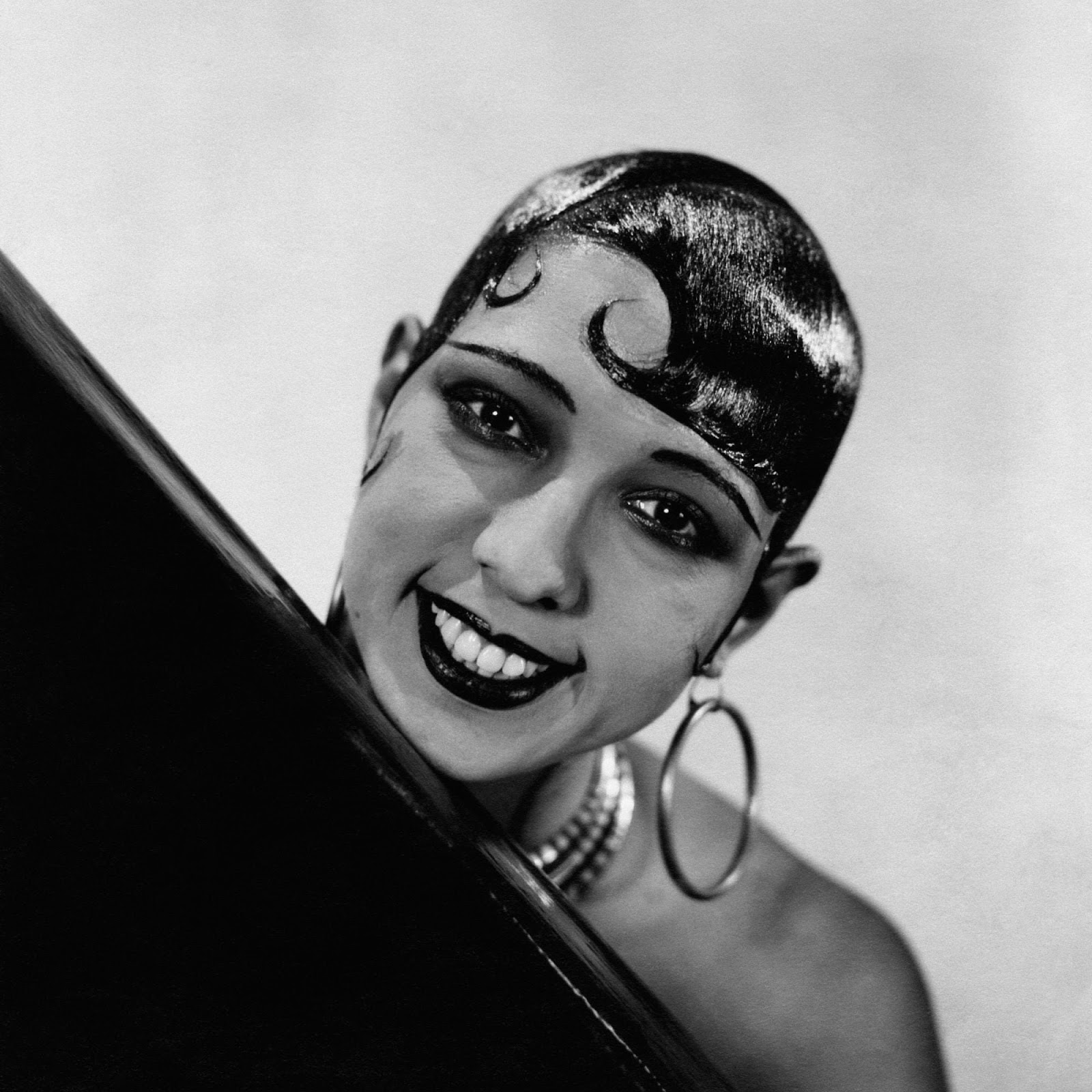
“This girl has all of [the] trends and she’s not loathe to wear them at once: bell earrings, a dog collar worn as a necklace, a large beauty spot on her cheek, an ivory cigarette holder, a design to cover the vaccination mark on her arm, heavy bracelets, an anklet, a photo of a boyfriend on her stocking, an anklet watch, fancy garters worn below the knee and a mirror fastened to her wrist.”
The latest fashion fads - from 1926!

Any long-serving reader of my "regular blog" Give 'em the old Razzle Dazzle will know that one of "our gang"'s occasional divertissements is to attempt to photographically recreate those magnificently-stylised 80s album covers we know and love - see here, here and here for examples.
Today comes sad news that the man who was behind most of those images we were emulating, photographer Brian Griffin has departed to take up residence in the Posing Room at Fabulon.
Here are just a few of the many, many works that encapsulated, if not influenced, the aesthetic that particular [favourite] era five decades ago...


Mr Griffin's work was lauded throughout his career - his photograph for the Depeche Mode LP A Broken Frame [at the top of this post] was chosen for the cover of Life magazine's "The World's Best Photographs: 1980 - 1990", and he was voted The Guardian’s photographer of the decade in 1989. Permanent collections of his photography are held in galleries across the globe, including the National Portrait Gallery, Birmingham Museum & Art Gallery and the V&A.
His impact on popular consciousness, however, is forever cemented in his classic album covers, for the likes of Iggy Pop, Joe Jackson, Psychedelic Furs, Elvis Costello & The Attractions, Siouxsie and the Banshees and Devo, among many, many others. The following is merely a soupçon:


[All works copyright Brian Griffin Estate - click any pic to enlarge]

RIP, Brian Griffin (13th April 1948 – 29th January 2024)
From the foreword by Dame Anna Wintour:
Brilliance and bravery. Those are my impressions from Chronorama: Photographic Treasures of the 20th Century that tells a story of the better part of a century through people, places, fashion, culture, and art. The word “brilliance” comes to mind because this is the work of the best photographers of our age. Steichen, Penn, Horst, Beaton, Newton, Elgort, Miller, and so many others – their names are as iconic as the cultural figures they captured.
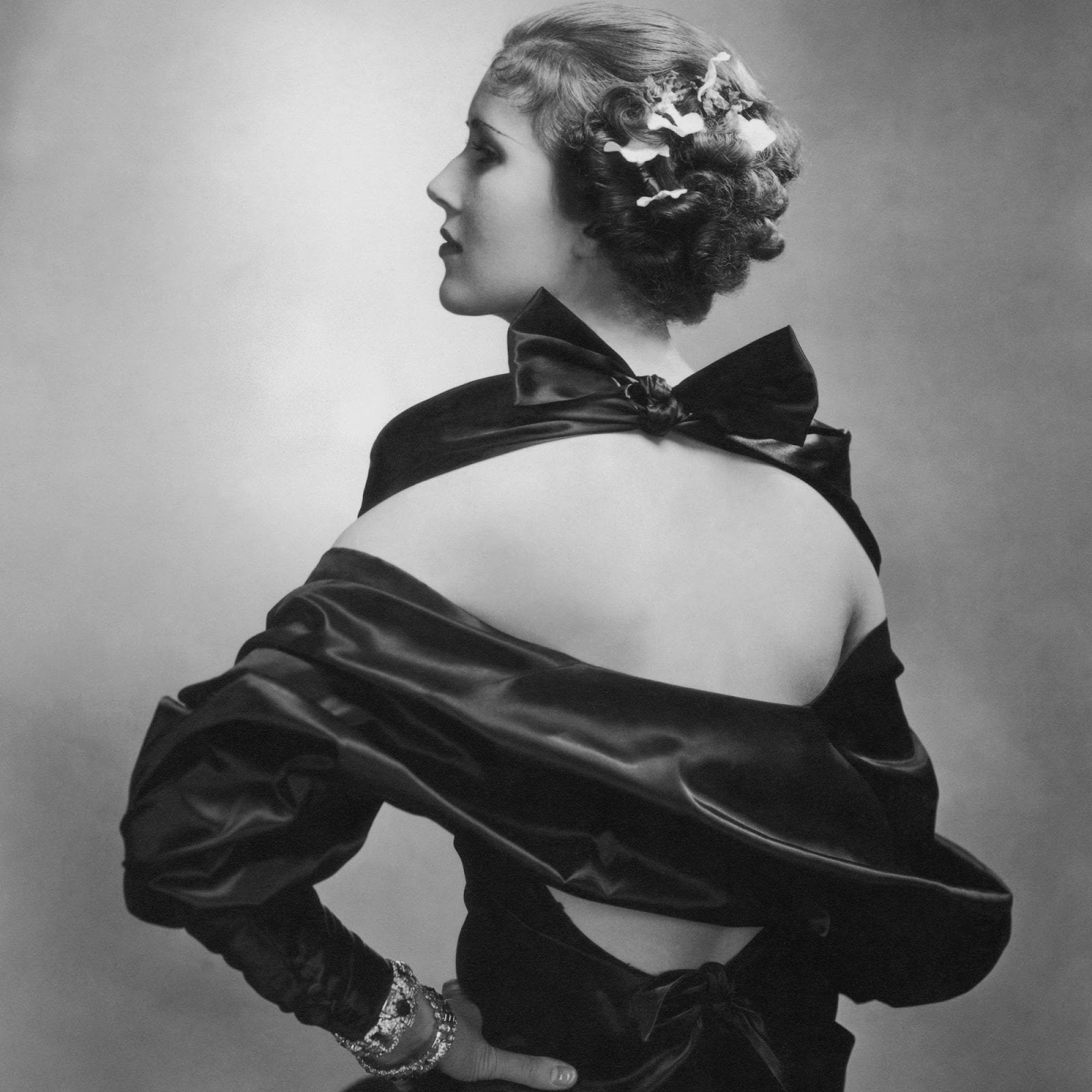
Edward Steichen's Mary Heberden wearing a satin dress (1935) for Vogue
But I also think of bravery because these are magazine pictures. Photographs commissioned by editors to run in the pages of Vogue, Vanity Fair, House & Garden, GQ, Mademoiselle, and Glamour – Condé Nast magazines with a wide and varied readership. Each photograph is therefore an act of journalism: this person represents our moment, these clothes tell us about the time we’re in, this building or object explains our era.
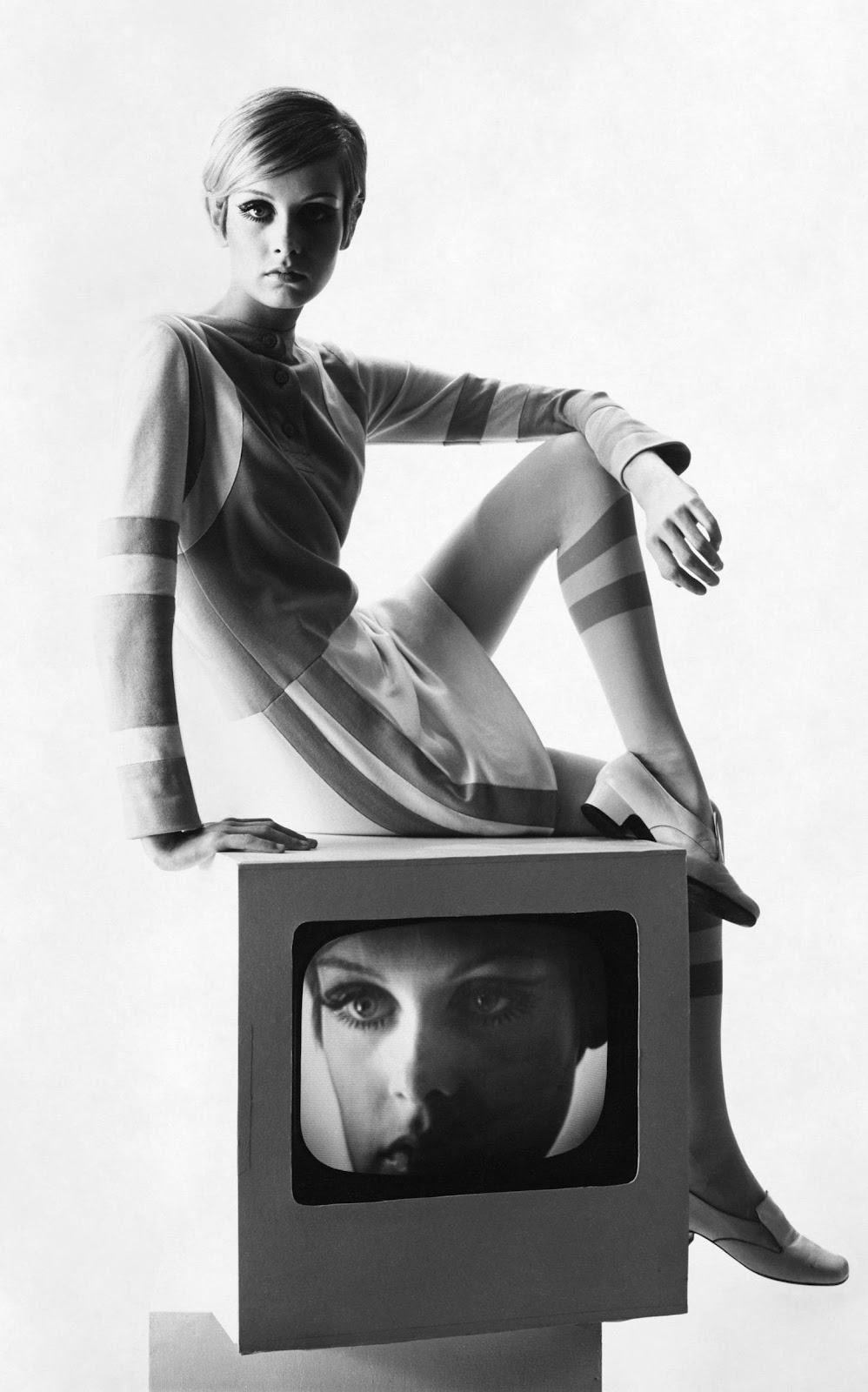
Bert Stein's Twiggy (1967) for Vogue
Is journalism art? Of course, and every page of Chronorama puts that question to rest. But magazine pictures are also something slightly to the side of art, and that is why they seem so brave to me. To tell the story of the moment you’re in is not always an easy thing. Who is relevant? What matters now? What is happening? The answers can set off a storm of debate.
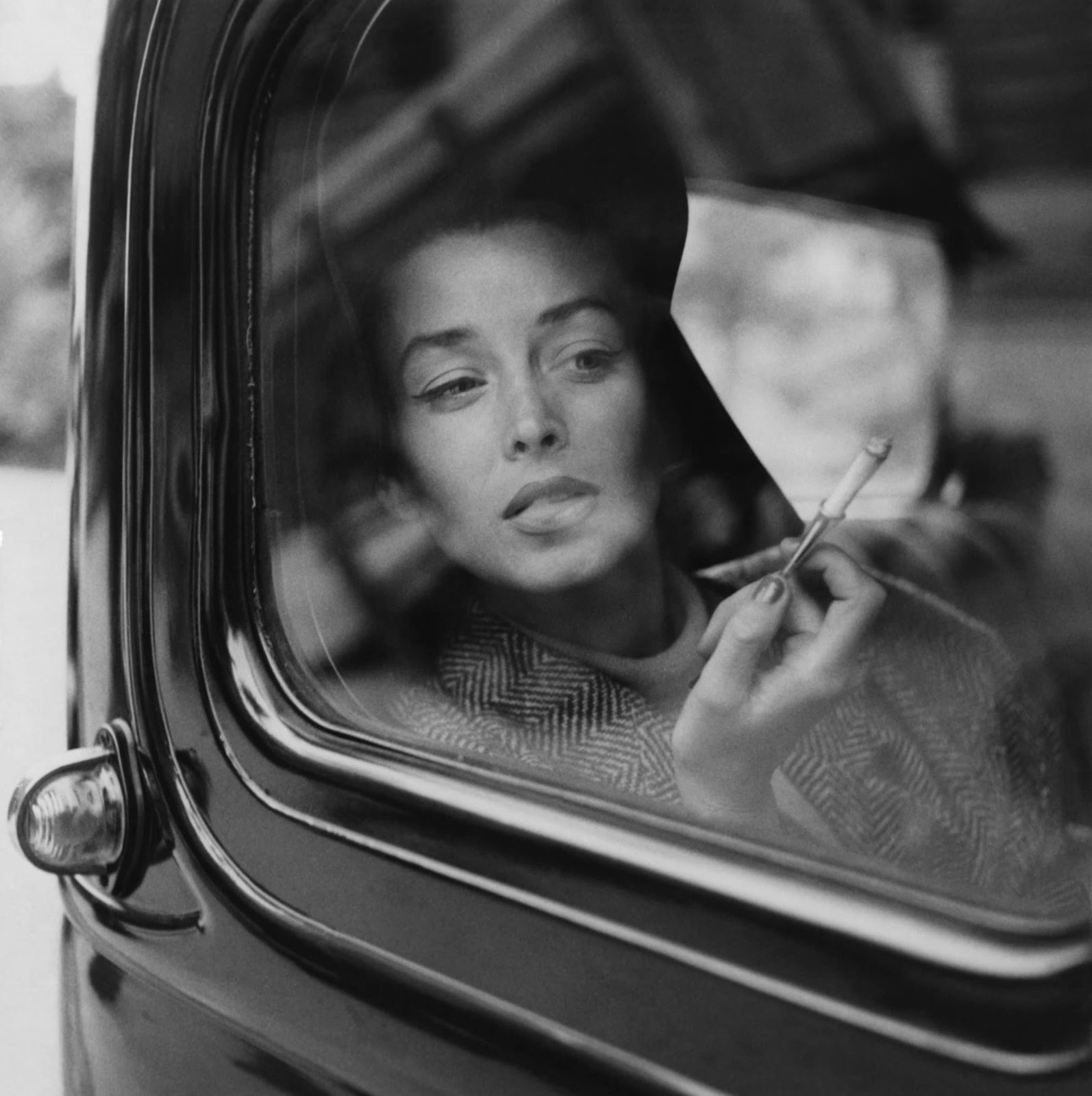
Suzy Parker's Snapshot of her famous sister Dorian Leigh (1954) for Vogue
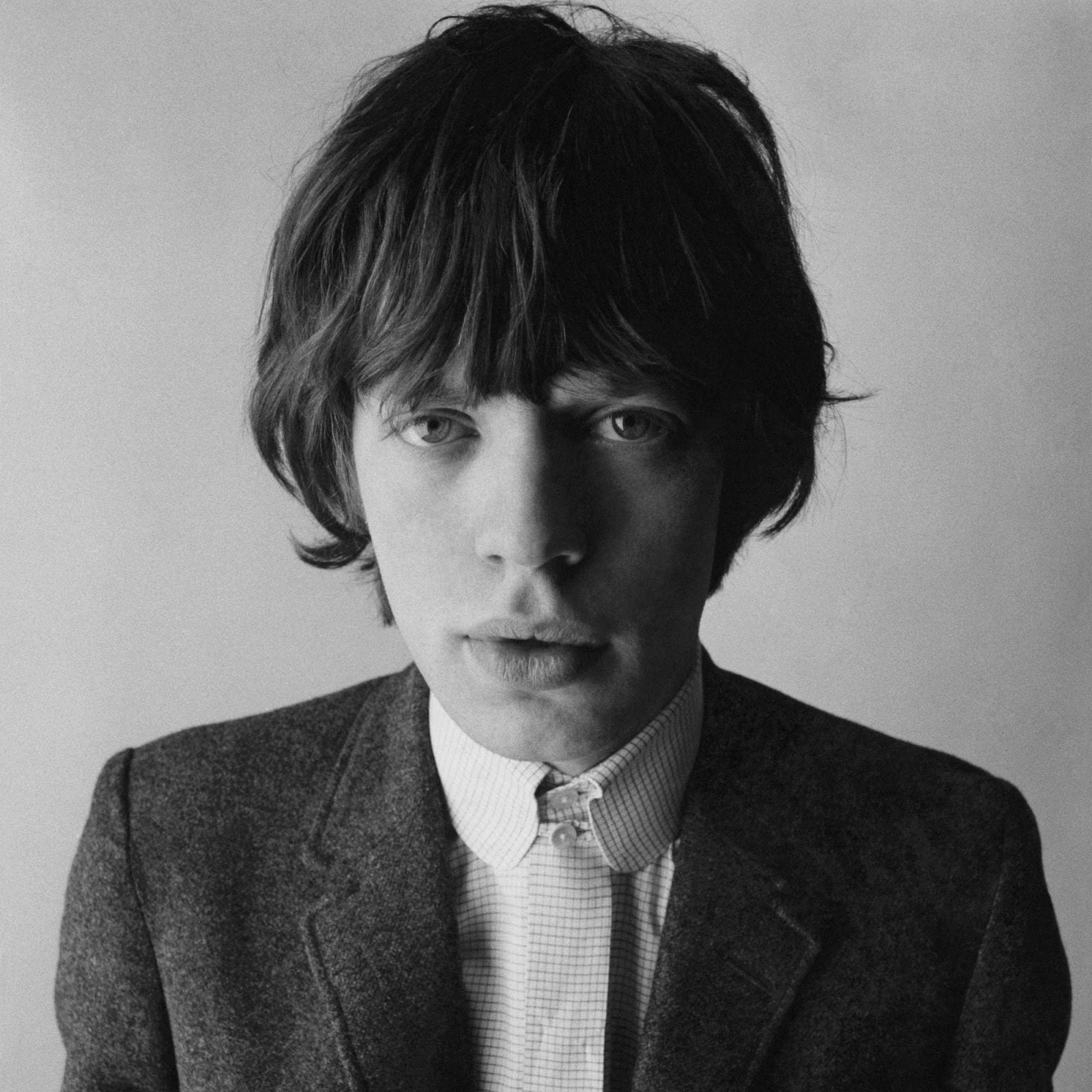
Mick Jagger (1964) by David Bailey for Vogue
The editors behind these photographs, everyone from Edna Woolman Chase to Frank Crowninshield to Grace Mirabella to Alexander Liberman, Condé Nast’s legendary editorial director, made wonderful choices. The people here do define the century, from Charlie Chaplin to James Joyce to Henri Matisse to Ernest Hemingway, Mick Jagger, Catherine Deneuve, Karl Lagerfeld, Richard Avedon, Arthur Ashe, Twiggy, Veruschka, and so many others. The settings and fashion are profoundly chic.
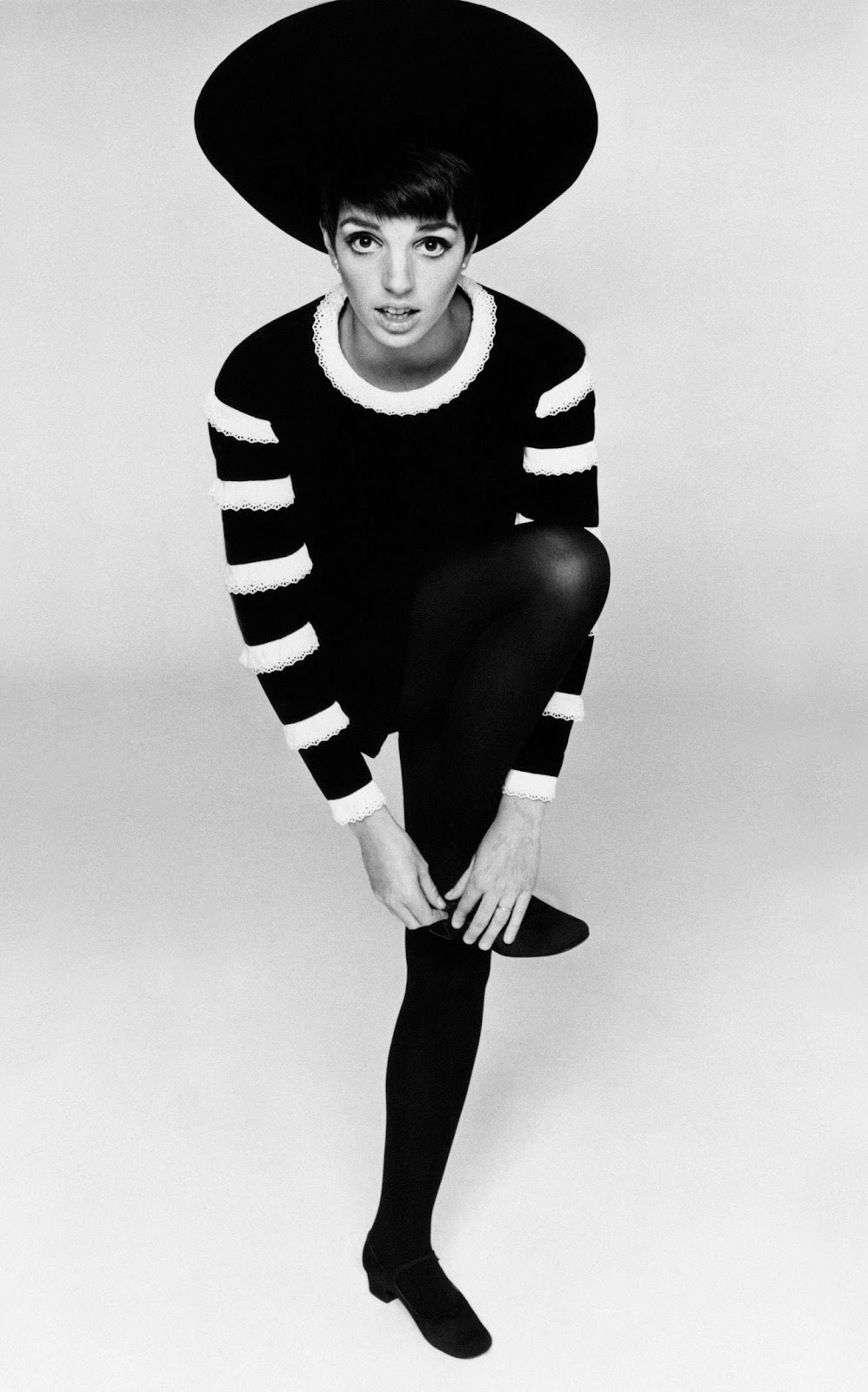
Liza Minnelli (1967) by Alexis Waldeck for Vogue
It is impossible to pick favorites among the pages of Chronorama, but I will say this: the bravest pictures, the controversial ones, have uncommon power. Think of Helmut Newton’s “Story of Ohhh…” from 1975, a portfolio so sexually liberated that Vogue readers were aghast. Or the Deborah Turbeville bathhouse photographs from the same issue, as unsettling and allusive as they are glamorous. Or any one of Irving Penn’s unrelenting, uncompromising images with their classical, modernist style. In the 1950s, Vogue editors apparently fretted that his pictures were too much: “They burn the page,” they said. They certainly do.
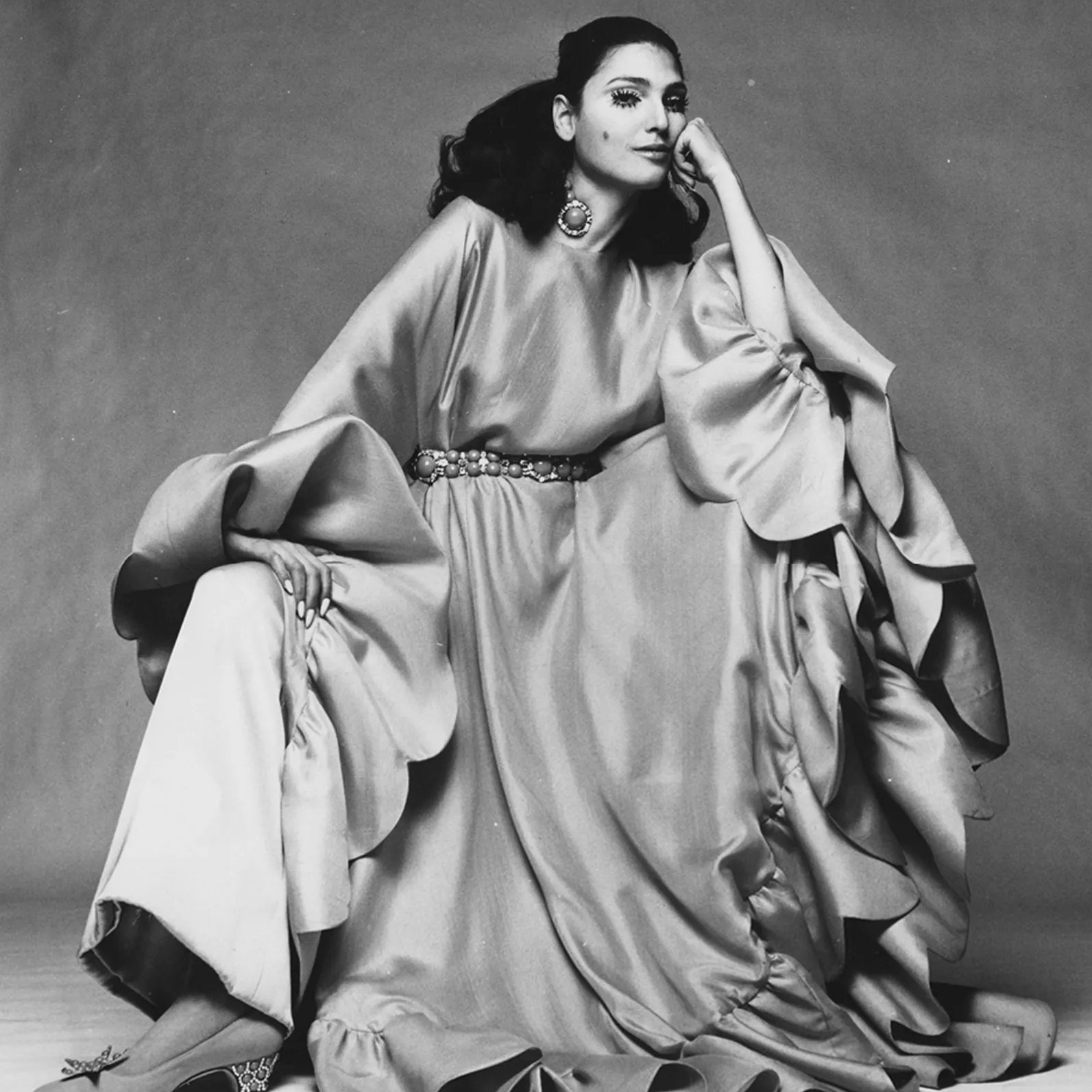
Benedetta Barzini (1969) by Gian Paolo Barbieri for Vogue
I like to look forward, not back, but seeing these photographs, I find myself a little nostalgic for a different age, warmly recalling how, when I came to Vogue, Mr Penn would photograph models with barely anyone around him, only him, a Vogue editor, and the smallest of teams. I think of photographers disappearing for weeks and coming back with pictures that astonished me and frightened me too. Every editor knows the experience: the recognition of risk and the knowledge that no other choice will do.
Chronorama: Photographic Treasures of the 20th Century is published on 30th March 2023.

...but what to take, and what to leave behind?


Decisions, decisions.
Of course.
[click any pic to enlarge]

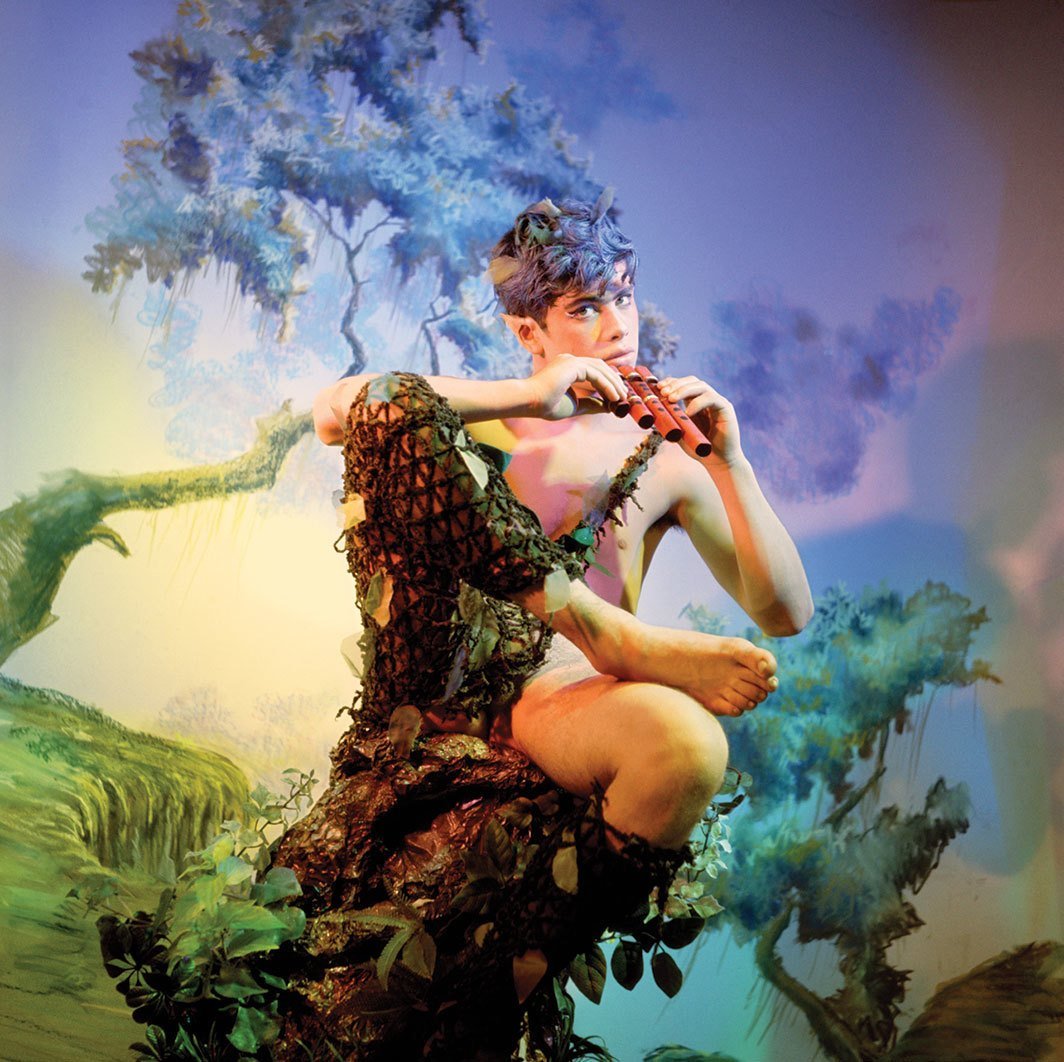
From Aperture photography magazine on the occasion of a major retrospective of the man's work at the Museum of Sex in New York back in 2019 (opening with a quote from the exhibition's curator Lissa Rivera):
“The big boom of porn culture wasn’t his style. It wasn’t elaborate. It wasn’t something that was going to take seven years to shoot and have jewels.”Pink Narcissus was, as they say, just too much. Producers wrenched the film from him and made a lousy 1971 print Bidgood took his name off. Meanwhile, audiences lapped up Warhol’s faux verité and the hedonism of Wakefield Poole...
The bud of Pink Narcissus would bloom in the work of Pierre et Gilles and David LaChapelle and Ryan Trecartin and Greer; its gauzy shimmer shines in films like Blade Runner and Soft Cell’s Non-Stop Exotic Video Show and Prince’s Sign o’ the Times... While drag queens have for decades mined his work for their art, it must also be noted the exclusive focus on male bodies in racialized fantasias would likely get the film “cancelled” today.
But the ripples of Bidgood’s influence appear in most every artsy earnest queer on Instagram who gazed into Bidgood’s pool and saw themselves. And what remains is a wide-eyed, world-building tribute to the beauty of narcissism. “He wasn’t being ironic,” says Rivera. “He was interested in the fantasies he had since he was a boy. He’s elevating men who don’t get elevated: queer men, hustlers, people from the drag world. He loved them in this emotional visual sense. He still loves that way.”
RIP James Bidgood (28th March 1933 – 31st January 2022)

[From Reuters: A man wears a suit made of mirrors at a fashion and clothing exhibition in Tehran, Iran.]

It's just a jump to the left...

And then a step to the ri-i-i-i-ight...

Put your hands on your hips

And bring your knees in ti-i-i-ight!

Do the pelvic thrust - It nearly drives you insane...
Let's do The Timewarp again!